As the seasons shift, many people notice changes in how they feel—physically, mentally, and energetically.
Spring often brings a sense of renewal and fresh energy. But internally, your body is also navigating a transition—especially within the lymphatic system.
If you’ve ever felt more:
- Puffy
- Congested
- Sluggish
- Or unexpectedly tired
…as winter turns into spring, you’re not imagining it.
Your lymphatic system is adjusting.
What Is the Lymphatic System (and Why It Matters in Spring)?
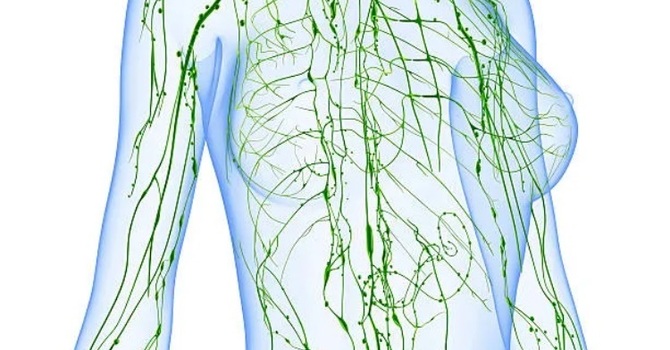
The lymphatic system is a network of vessels, nodes, and organs that runs throughout the body, often alongside your circulatory system.
It plays a key role in:
- Moving lymph fluid (which carries immune cells and waste)
- Supporting immune function
- Removing excess fluid and toxins
- Regulating inflammation
Unlike the circulatory system, the lymphatic system does not have a central pump like the heart.
Instead, it relies on:
- Movement
- Muscle contraction
- Breathing
This is why seasonal shifts—especially coming out of winter—can have such a noticeable impact on lymphatic flow.
Why the Lymphatic System Changes in Spring
Winter naturally encourages a slower pace.
We tend to:
- Move less
- Spend more time indoors
- Eat heavier, more grounding foods
From a lymphatic perspective, this can lead to slower fluid movement and mild congestion.
As spring arrives, your body begins to:
- Increase circulation
- Mobilize stored waste and excess fluid
- Respond to environmental changes (like allergens)
This shift is important—but it’s not always smooth.
Why You May Feel Puffy, Congested, or Tired in Spring
As lymphatic flow begins to increase, your body starts clearing what has been sitting more stagnant through the winter months.
This can temporarily show up as:
- Fluid retention or puffiness (face, eyes, limbs)
- Sinus congestion or seasonal allergies
- Skin changes or breakouts
- A feeling of heaviness or sluggishness
- Fatigue, even as motivation increases
This isn’t your body failing.
It’s your body mobilizing and clearing.
Think of Your Lymphatic System Like a Spring River
At the end of winter, a river begins to thaw.
The water starts moving—but at first:
- Flow is uneven
- Debris is stirred up
- The water may appear cloudy
Over time, as flow improves, the river clears.
Your lymphatic system behaves in much the same way.
That “off” feeling in early spring is often part of the process of things starting to move again.
Lymphatic System and Seasonal Allergies
Spring allergies are not just a respiratory issue—they also involve the lymphatic system.
Lymph nodes in the:
- Neck
- Jaw
- Chest
…help filter immune responses.
When the lymphatic system is:
- Sluggish
- Overloaded
- Or working harder due to environmental triggers
You may notice:
- Increased swelling
- Sinus pressure
- Fluid retention in the face
Supporting lymphatic drainage can help the body process these responses more efficiently.
How to Support Your Lymphatic System in Spring
These simple, consistent practices can help improve lymphatic flow and reduce symptoms like swelling and congestion.
1. Use Breath as a Lymphatic Pump
Deep diaphragmatic breathing helps move lymph fluid through the body.
Try:
- Inhale through your nose, expanding the ribcage
- Exhale slowly and fully
Even 3–5 minutes a day can support lymphatic drainage.
2. Focus on Gentle, Rhythmic Movement
The lymphatic system responds best to:
- Walking
- Light stretching
- Gentle yoga
Consistency matters more than intensity—especially during seasonal transition.
3. Hydrate to Improve Lymphatic Flow
Lymph fluid is largely made of water.
Proper hydration helps:
- Reduce fluid retention
- Improve circulation of lymph
- Support natural detoxification processes
4. Support Lymphatic Drainage Manually
Manual Lymphatic Drainage (MLD) is a gentle technique designed to:
- Reduce swelling
- Improve lymphatic flow
- Support immune function
Even simple self-care techniques, when done correctly, can be helpful.
5. Prioritize Rest and Recovery
Spring can bring a push to do more—but your body is still adjusting.
Rest supports:
- Nervous system regulation
- Hormonal balance
- Efficient lymphatic function
It’s Not About “Detox”—It’s About Flow
You’ll often hear spring associated with detoxing.
But your body is always detoxifying.
What changes in spring is:
How well things are moving
Instead of focusing on forcing detox, focus on:
- Supporting lymphatic flow
- Encouraging gentle movement
- Creating the conditions your body needs
Lymphatic Drainage in Olds, Alberta and Surrounding Area
If you’re in Olds, Alberta or the surrounding area and noticing:
- Puffiness
- Fluid retention
- Congestion
- Or post-winter heaviness
Professional lymphatic drainage can offer additional support.
Working with a Certified Lymphedema Therapist provides a gentle, effective approach to improving lymphatic flow and reducing swelling.
In Closing: Work With Your Body This Spring
Spring is a season of movement—but not force.
If you’re feeling a little off, it doesn’t mean something is wrong.
It often means your body is:
Shifting, clearing, and recalibrating
With simple, consistent support, you can:
- Reduce swelling naturally
- Improve lymphatic drainage
- Feel lighter and more energized
Not by pushing harder—but by working with your body’s natural rhythm.
About the Author
Colleen Hurst is a Registered Massage Therapist and Certified Lymphedema Therapist based in Olds, Alberta. She is the founder of Lymph In Motion Therapeutic Massage and specializes in manual lymphatic drainage, fascial work, and integrative therapies to support fluid movement, immunity, and whole-body wellness.

Colleen Hurst
Contact Me