THE LYMPHATIC SYSTEM: YOUR BODY’S HIDDEN PATHWAY TO HEALING
By Colleen Hurst, RMT, CLT, CST, CRT
Lymph In Motion Therapeutic Massage
Your lymphatic system is one of the most powerful and most overlooked systems in the body. It’s not just part of immunity; it is part of your fluid balance, inflammation response, detoxification pathway, gut health, skin health, and even neurological regulation.
What Exactly Is the Lymphatic System?
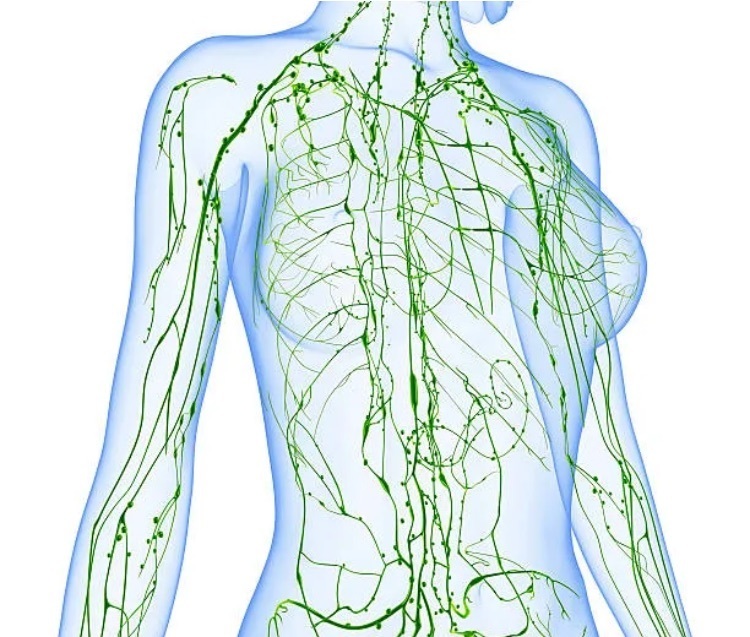
Lymphatics are a network of vessels, nodes, organs, fascia-based pathways, and fluid channels that collect, filter, and return excess fluid back to the bloodstream.
It carries immune cells, removes cellular waste, and maintains fluid balance.
Key functions:
• Drains excess fluid from tissues
• Filters out pathogens and cellular debris
• Supports immune responses
• Reduces inflammation
• Helps maintain healthy circulation and tissue healing
The Fascia–Lymph Connection
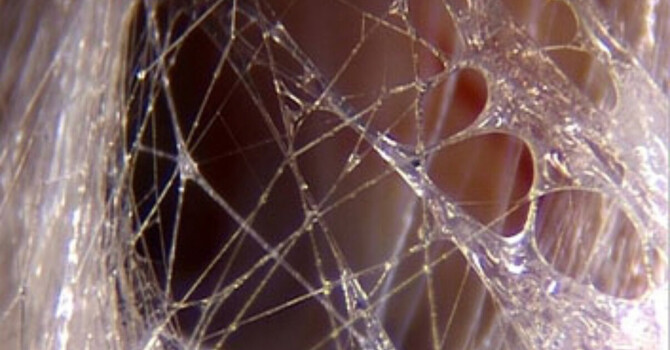
Your lymph vessels live within the fascial layers. When fascia is hydrated, mobile, and responsive, lymph flows easily.
When fascia becomes stiff, restricted, or dehydrated, lymph flow slows — leading to stagnation, swelling, and inflammation.
Research supports this connection:
Fascial movement increases lymphatic contractility
Gentle mechanical stimulation (like MLD) improves lymphatic uptake
Breathwork enhances thoracic duct drainage
Slow, rhythmic touch influences parasympathetic nervous system regulation
This is why manual lymphatic drainage, fascial decompression, and craniosacral therapy work so synergistically — they support the fluid and connective-tissue systems at the same time.
Lymph and the Nervous System
New research shows the brain has its own lymph-like system, the glymphatic system, which clears metabolic waste during sleep.
When the nervous system is stressed, lymphatic and glymphatic flow slow down.
This is why clients often describe lymphatic treatments as calming, grounding, and clarity-enhancing.
Common Signs Your Lymph May Need Support
• Puffiness or swelling
• A feeling of “heaviness”
• Brain fog
• Slower recovery
• Fatigue
• Tight fascia
• Digestive sluggishness
• Sinus congestion
• Menopause-related inflammation or fluid retention
How Lymphatic Therapy Helps
My approach combines advanced lymphatic drainage, fascial work, nervous-system–supportive touch, to help:
• Reduce swelling + fluid retention
• Ease inflammation
• Improve mobility
• Encourage detoxification pathways
• Support immune resilience
• Restore energy and clarity
• Bring the body into parasympathetic rest-and-heal mode
Each session is tailored to the body in front of me, guided by both science and clinical intuition — a blend that anchors everything I do at Lymph In Motion.
Want to Learn More?
If you’re curious about how to support your lymph at home or want to understand the science behind your the treatment. Please book in and we can discuss the best treatment to meet your needs.
In health,
Colleen Hurst RMT CLT CST Inc
Lymph In Motion
Therapeutic Massage
" Remember when your lymph flows your life flows"

Colleen Hurst
Contact Me