If you have ever felt stiff after sitting too long, noticed that your body feels different after a good walk, or wondered why breathing and movement are discussed so often when we talk about lymphatic health, fascia is an important part of the conversation.
The fascia and lymphatic system are different systems, but they share the same physical environment. Understanding that relationship gives us a much better picture of why movement, breathing, hydration, and tissue mobility are important to whole-body health.
What is fascia?
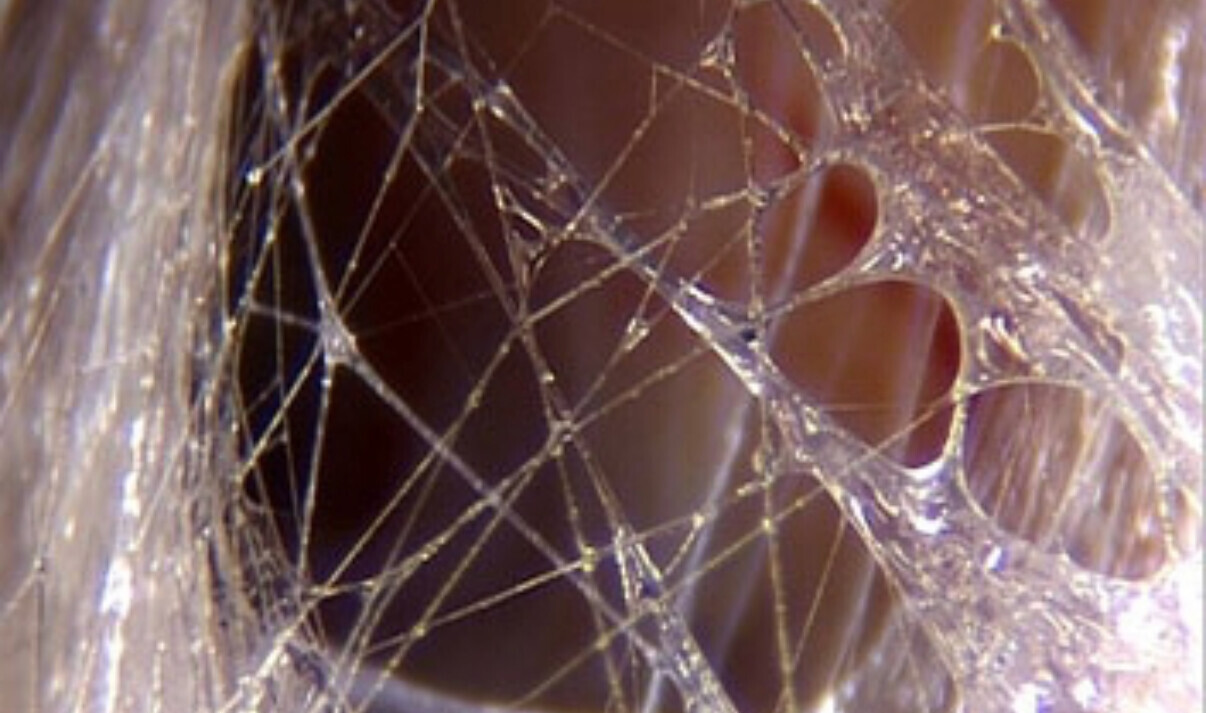
Fascia is connective tissue found throughout the body. It surrounds, supports, separates, and connects muscles, bones, nerves, blood vessels, organs, and other structures.
Rather than imagining fascia as individual pieces of wrapping around different body parts, think of it as a continuous three-dimensional network.
Within this connective tissue are cells, collagen and elastin fibres, and a fluid-rich substance often referred to as the extracellular matrix. This environment helps tissues tolerate force, glide against one another, and adapt as we move. Fascia isn't simply packaging. It is living, responsive tissue this is important when we begin to talk about lymph.
Before lymph becomes lymph...here is a fascinating part of lymphatic physiology that many people don't realize.
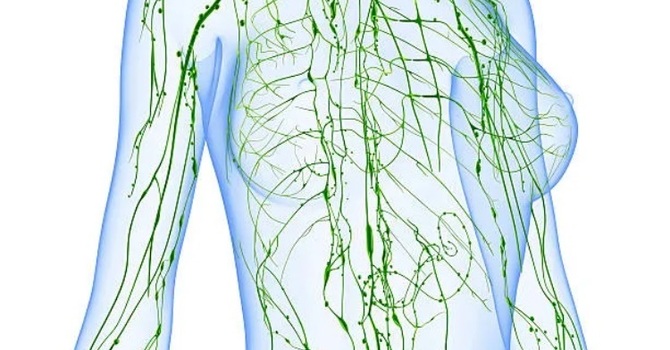
Fluid continuously moves between our blood vessels and the tissues surrounding our cells. This fluid in the spaces between cells is called interstitial fluid. Our lymphatic capillaries begin within these tissue spaces.
When excess interstitial fluid, proteins, and other substances enter the initial lymphatic vessels, that fluid becomes what we call lymph.
This means the lymphatic system doesn't exist separately from the tissues around it. Its smallest vessels are literally positioned within the connective-tissue environment. That creates an important relationship between fluid, fascia, movement, and lymphatic function.
How does lymph move?
One of my favourite things to teach about the lymphatic system is that it doesn't have a central pump like the heart. Instead, lymph movement is supported in several ways. Lymphatic vessels themselves have segments capable of rhythmic contractions that help move lymph forward. One-way valves help prevent backward flow. But external forces matter too.
When muscles contract and relax, tissues are compressed and released. When joints move, surrounding tissues change shape and pressure. When we breathe, pressure changes occur through the chest and abdomen. Even ordinary movement creates a constantly changing mechanical environment around lymphatic vessels. This is why walking, stretching, reaching, twisting, breathing, and simply changing positions throughout the day can all be meaningful.
Where does fascia come into the picture?
Because lymphatic vessels travel through connective tissue, the condition and movement of the surrounding tissues are part of their environment. Healthy fascia is hydrated and capable of adapting and gliding as we move. When we remain in one position for long periods, our tissues simply aren't experiencing the same variation in movement and pressure that they do when we're active.
This doesn't mean that tight fascia automatically “blocks” lymph or that every stiff area needs to be released. Those explanations are too simplistic. The human body is much more sophisticated than that. Instead, it may be more helpful to think about fascia as part of the physical landscape in which fluid exchange and lymphatic transport occur.
Why breathing deserves more attention. Breathing is another beautiful example of how interconnected our systems are. The diaphragm is our primary breathing muscle. As it moves during comfortable diaphragmatic breathing, pressure changes occur within the chest and abdominal cavities. ,These changing pressures help support the movement of fluids, including venous blood and lymph.
Deep breathing also creates movement through the ribs, abdominal wall, spine, and surrounding connective tissues.
So, when we talk about breathing as part of lymphatic care, it isn't because one deep breath magically “drains” the lymphatic system. It's because breathing is one of the normal physiological mechanisms contributing to movement and pressure changes within the body.
What about stiffness, tightness, and swelling?
It is important not to assume that every feeling of stiffness, heaviness, or swelling is caused by fascia or the lymphatic system. These symptoms can have many causes, including activity level, injury, inflammation, medications, vascular conditions, joint changes, illness, and other medical concerns.
Persistent or unexplained swelling should always be appropriately assessed. But everyday stiffness can sometimes be a helpful signal to ask a few simple questions.
- How long have I been sitting?
- Have I moved much today?
- Have I changed positions?
- How am I breathing?
- Have I had enough water?
Sometimes our bodies aren't asking us for an elaborate wellness routine. They may simply be asking for movement and variety.
Where can manual therapy fit?
Hands-on therapies can also create movement and changes in pressure within soft tissues. Manual Lymphatic Drainage, for example, is a specialized technique using gentle, specific movements designed to influence superficial lymphatic structures and support lymph transport when clinically appropriate.
Other forms of manual therapy may focus more specifically on muscles, connective tissue, mobility, comfort, or relaxation. These approaches shouldn't all be considered interchangeable, and not everyone needs lymphatic treatment simply because they feel tight. The appropriate treatment depends on the person, their health history, symptoms, and goals.
Supporting your tissues doesn't have to be complicated, one of the things I love most about teaching this subject is how often we come back to simple things.
- Walking.
- Breathing.
- Stretching.
- Changing positions.
- Moving your joints through comfortable ranges.
- Staying appropriately hydrated.
- Resting and recovering.
Our bodies were designed with systems that continuously communicate and interact. Fascia, muscles, circulation, lymphatics, respiration, and movement aren't isolated pieces, they influence the environment in which one another function.
Perhaps instead of asking, “How do I make my lymph move?”, we could occasionally ask a broader question:
“How can I give my whole body more opportunities to move today?”
The answer doesn't have to be an intense workout.
It might be a ten-minute walk.
A stretch between appointments.
A few comfortable breaths.
Standing up from your desk.
Or simply noticing that your body has been in the same position for a little too long.
Small movements may seem ordinary, but inside the body, movement is anything but ordinary.
This article is intended for general education and does not replace individualized medical advice. New, persistent, one-sided, or unexplained swelling or other concerning symptoms should be assessed by an appropriate healthcare professional.

Colleen Hurst
Contact Me